How early growth guidance can help your child avoid braces.
The way a child’s jaw grows shapes their smile for life.
Jaw growth affects whether adult teeth will have enough room to come in straight and whether the airway stays open during development. Early guidance shapes healthier jaws, straighter teeth, and better breathing.
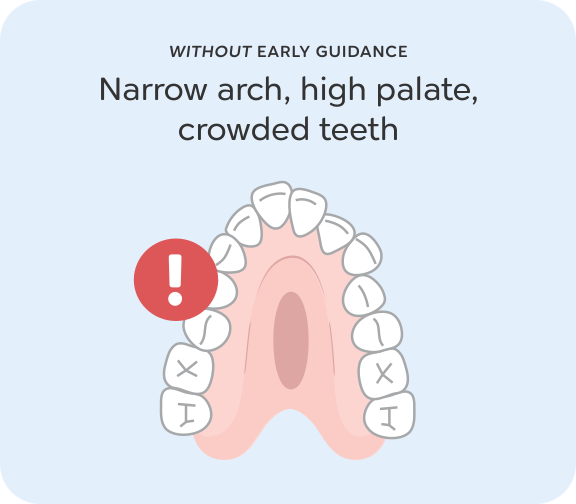
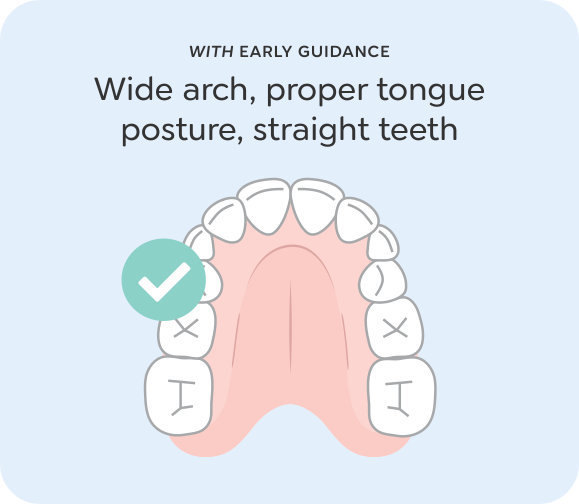
When a child breathes through their mouth, rests their tongue low, or struggles with swallowing, the jaw may grow too narrow. This can make it harder to breathe at night, fit adult teeth in, and avoid braces later on.
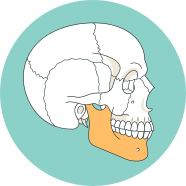
By age 2, over half of jaw growth has happened.
By age 12, it’s nearly complete.
Once the window closes, crowding and narrow jaws become harder to correct.
Growth milestones
Most of your child’s growth happens early—while their habits, breathing, and muscle use are still forming. These early years shape how their airway, teeth, and face develop.



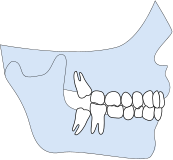

Why palate shape matters so much
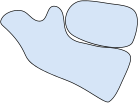
The roof of the mouth is the floor of the nose.
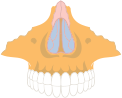
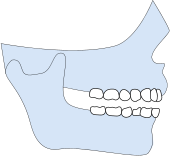
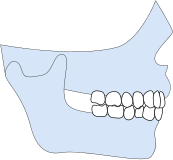
The upper jaw and floor of the nose are formed by the same bone. Its shape controls breathing space.

Mouth breathing or low tongue posture prevents natural widening.

When the tongue rests on the palate, it acts as a natural expander to widen the jaw.
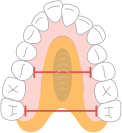
A narrow palate leads to crowded teeth, high palate, and restricted airway.
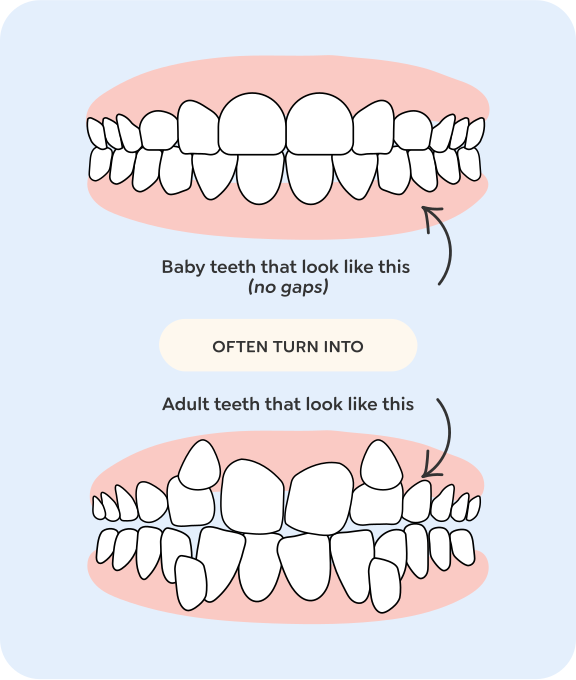
What baby teeth can reveal about future jaw and tooth development.
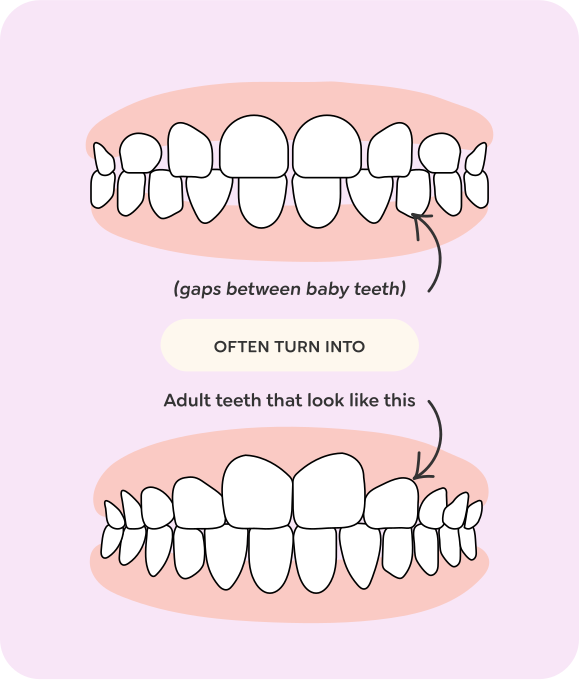
The tongue guides jaw growth. When resting on the palate, it creates space for teeth, supports the airway, and improves function.
What baby teeth can reveal about future jaw and tooth development.

Crowding and misalignment
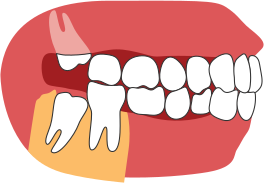
Limited space for teeth

Airway and breathing issues
Straight teeth do not equal a healthy smile
The roof of the mouth is the floor of the nose.
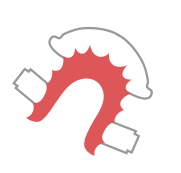
Retainers are often lifelong due to relapse
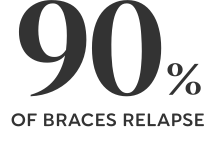
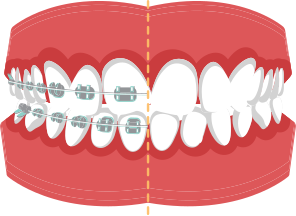
Braces move teeth into place—but without creating space, they often shift back

Healthy teeth may be removed to “make room”
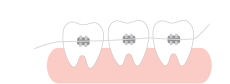
Straight teeth alone don’t guarantee healthy breathing or proper jaw and facial development
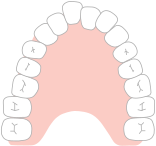
Crowding returns if jaw size isn’t addressed
The issue isn’t the teeth—it’s the space they grow
into.
Most orthodontic care starts after jaw growth is mostly done, so treatment often fits teeth into a small
space instead of creating the right space.
Where traditional orthodontics fails.
Families are often told to “wait and see,” then get braces and possible extractions later—after the growth window has closed. Growth-guided care aims to create space first, then align teeth.

Wondering if early growth guidance could help your child?
Real stories from families who didn’t wait and see.
Natural jaw growth vs. traditional expanders:
One shared goal: enough room to grow.
The right approach depends on your child’s age, jaw growth, and tongue function. Early guidance works best while the jaws are growing. Later, some kids may need fixed expanders to create space more quickly.
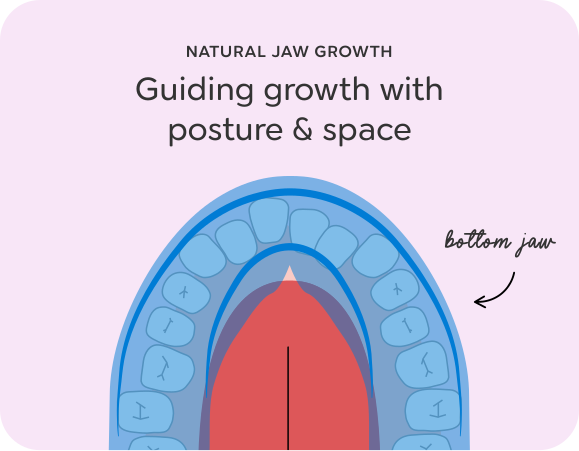
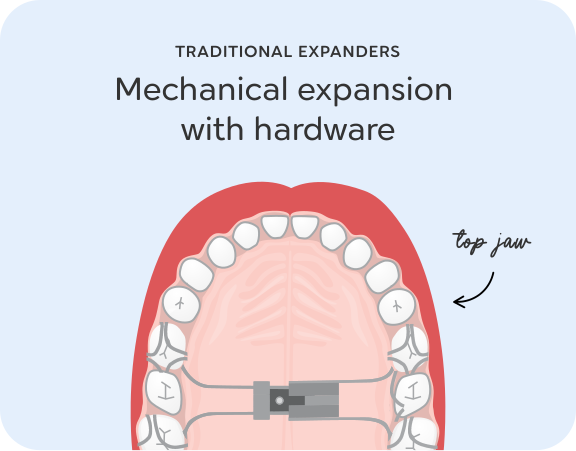
The right provider checks both jaws and the airway. Expanding only the top jaw can crowd the tongue and affect breathing. Growth should be supported in both directions. That’s why we start with an assessment — to guide growth for lasting results.

“Sometimes kids need more than one step to get the best results. Even after two years of oral appliance therapy, your child may still benefit from an expander. Nothing from that first stage is lost—oral appliance therapy has already laid the foundation by improving tongue posture, muscle balance, and jaw direction. An expander can then build on that progress by adding the extra space their smile needs. What matters most is making sure your child’s jaws are fully developed before they finish growing.”

Why an assessment matters.
Every child is different. Our free virtual assessment shows whether your child is a fit for Toothpillow or needs in-person care.
See the difference
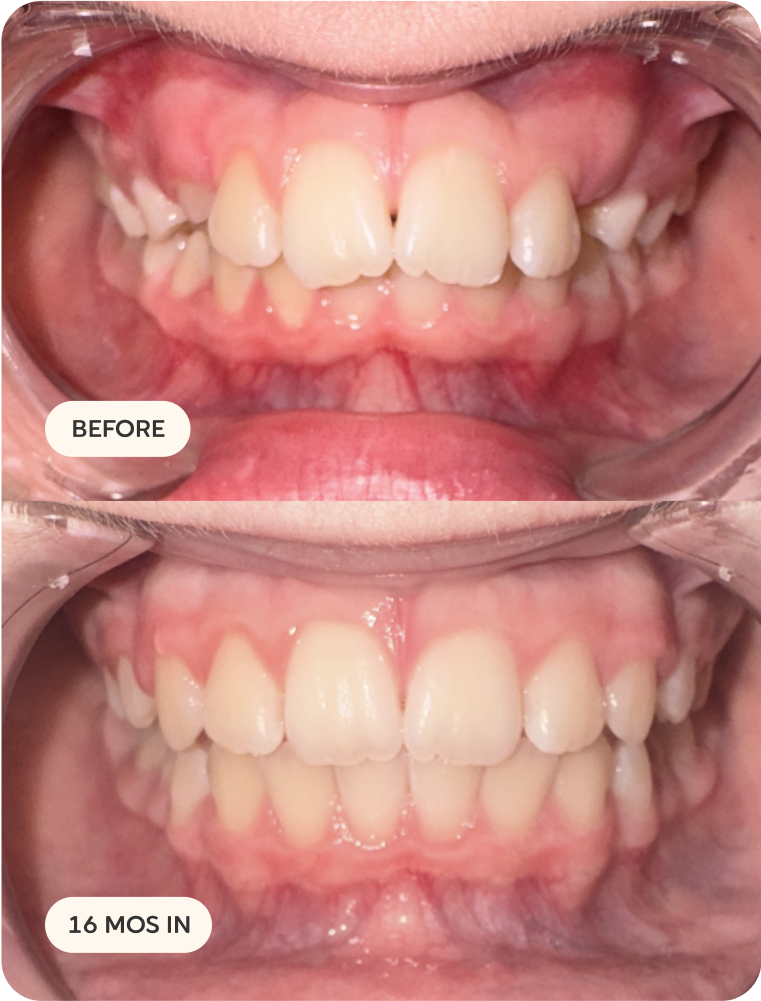
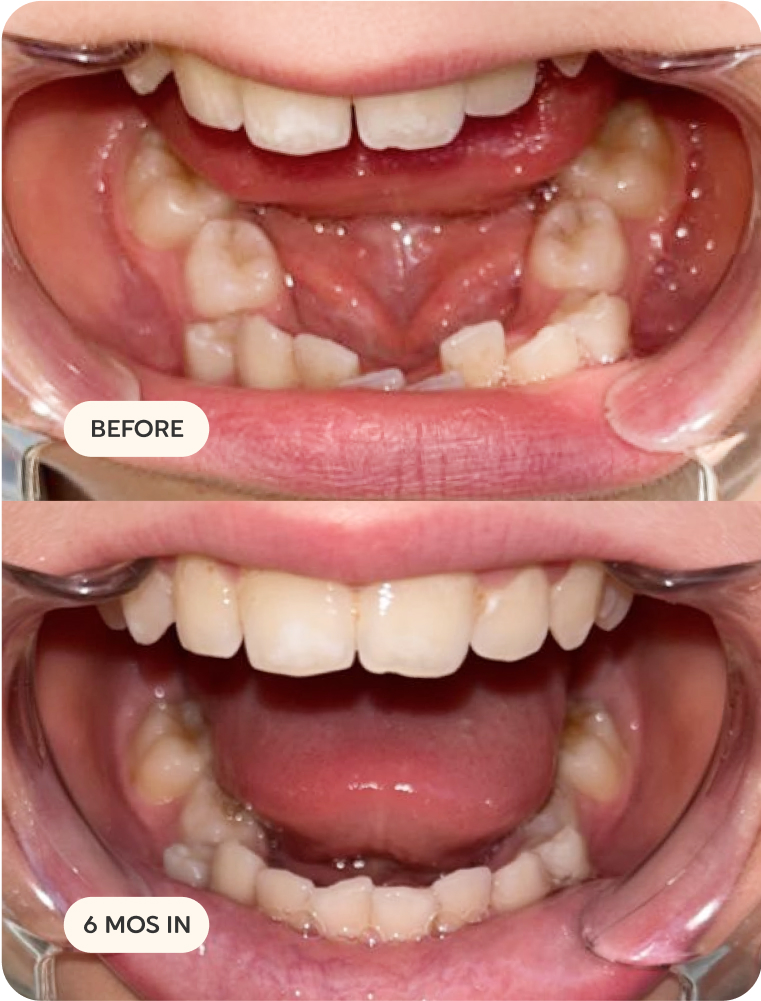
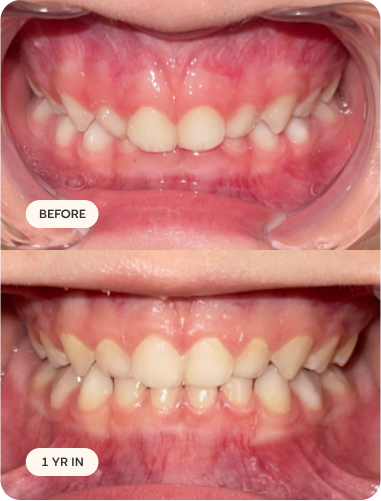
Before and after transformations
Images shown are representative examples. Individual results may vary.
Other signs your child may benefit from early growth guidance.
If your child shows any of these signs, it may indicate their jaws did not develop properly and they could have additional airway or growth concerns that deserve evaluation.

Picky Eating

Speech Issues
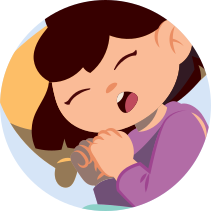
Mouth Breathing

Bedwetting

Sleep Apnea
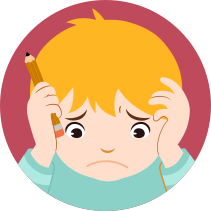
ADD / ADHD
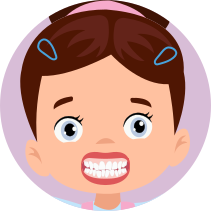
Crooked Teeth
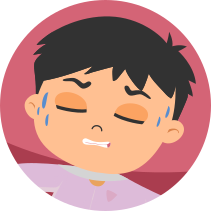
Night Terrors
Snoring
Digestion

Persistent Cavities
Ear Infections
Large Tonsils & Adenoids

Grinding / Clenching
Headaches
Wondering if your child’s breathing, sleep, or behavior challenges are connected? Learn how symptoms like mouth breathing, snoring, and fatigue may be linked to jaw development.
Where traditional orthodontics fails.
Families are often told to “wait and see,” then get braces and possible extractions later—after the growth window has closed. Growth-guided care aims to create space first, then align teeth.