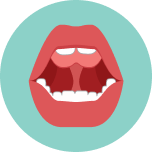
Retrain the muscles behind healthy breathing, sleep and growth
Myofunctional Therapy helps the tongue, lips, and cheeks work together for healthy childhood development.
Recognized by Experts
Myofunctional Therapy is recognized by leading dental, orthodontic, and sleep medicine organizations worldwide.
What is myofunctional therapy?
Guided exercises that strengthen the muscles behind healthy breathing.
Through short, daily exercises, your child learns to keep their tongue on the roof of the mouth, breathe through their nose, and rest with their lips gently closed. These small habits guide how the jaws grow, how much room the teeth have, and how easily air moves through the airway, helping your child breathe, sleep, and grow more comfortably.
Why your child may need it
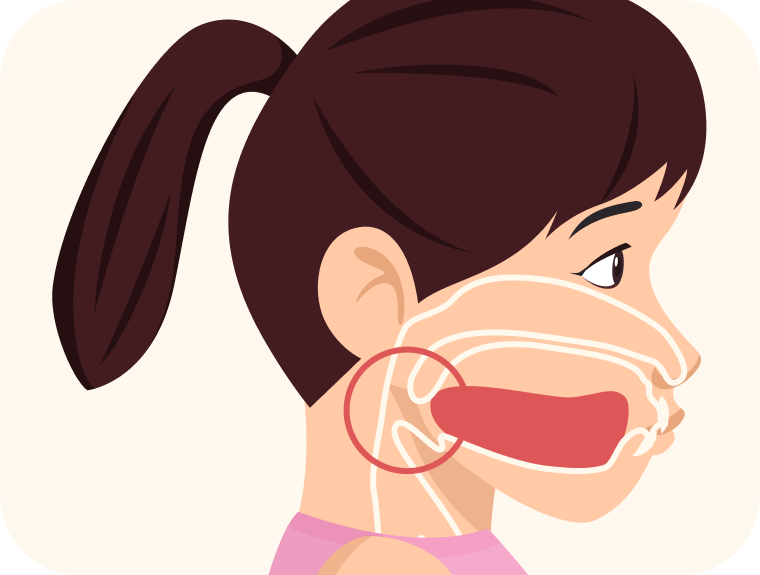
Underdeveloped jaws can lead to mouth breathing, open lips at rest, and tongue thrust. Myofunctional Therapy helps change these habits so the tongue rests on the roof of the mouth, lips seal gently, and air moves through the nose. With practice, healthier use becomes routine.
What therapy looks like for your child
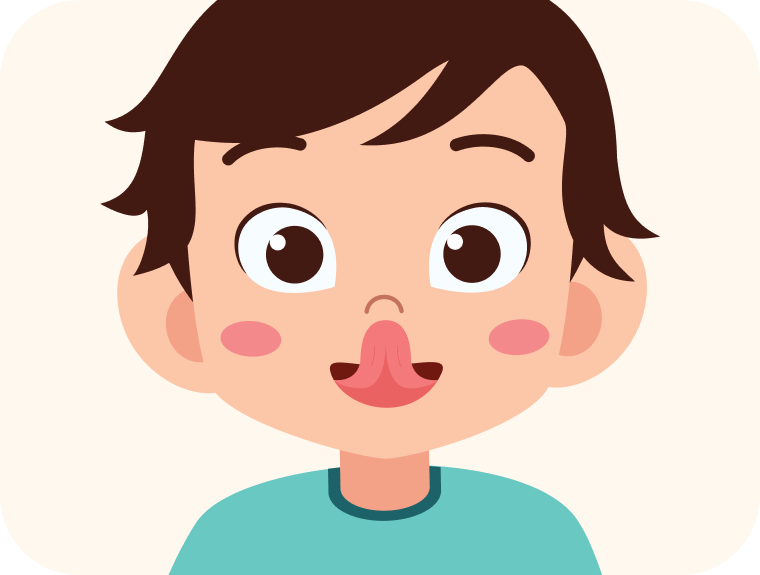
Exercises are short and child friendly. Your child practices tongue to palate, a relaxed lip seal, and quiet nose breathing. A few minutes a day, guided in the app, builds strength and control. Progress starts small and, with repetition, carries into meals, speech, and sleep.
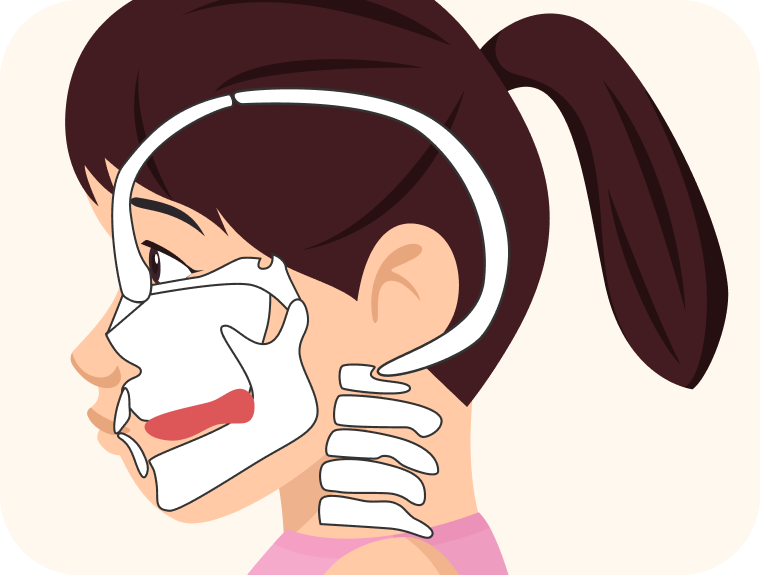
Why it matters for growth
When the tongue rests high and lips stay closed, the upper jaw grows wider and the face develops with more balance. That creates room for teeth and supports a clear airway. When muscles are weak or out of position, jaws narrow and space for teeth and airflow is limited over time.
The missing piece: When your child struggles with breathing, sleep, or growth, it can be hard to understand why.
What's often missed is how the muscles of the tongue, lips, and cheeks quietly shape how the jaws and airway develop. For many children, Myofunctional Therapy is the missing piece that helps these muscles work together—so breathing, sleeping, and growing all move in the right direction.
The complete program that brings growth, breathing, and sleep together
Myofunctional Therapy is included in every Toothpillow plan. It's what helps the growth guided by our appliances stay wide, balanced, and lasting. Each family also receives access to free daily exercises through the Toothpillow app, helping children practice healthy breathing and oral posture at home.
Guided Growth Appliances
Myofunctional Therapy
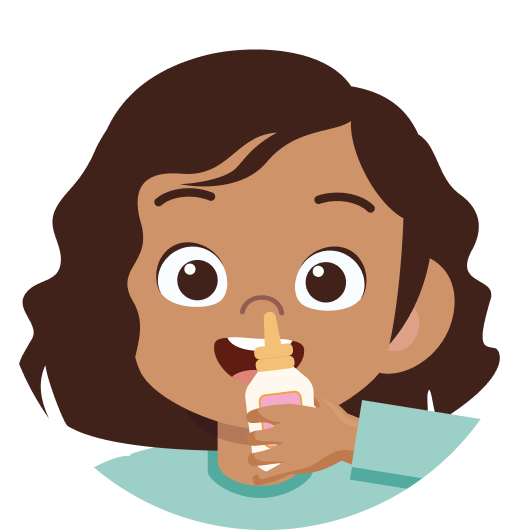
Nasal Hygiene Routines

Toothpillow Virtual + Myo
Full Myo program included with plan
Guided growth + full Myofunctional Therapy program + free healthy faces exercises
Designed for children who need more focused support. This plan includes ten one-on-one sessions with a myofunctional specialist, a full exercise toolkit, and personalized progress tracking to help strong, healthy muscle patterns form and last long term.

Toothpillow Virtual
Myo session included with plan
Guided growth + one Myofunctional Therapy session + free healthy faces exercises
Ideal for children whose muscle habits are mostly on track. This plan introduces Myofunctional Therapy through one private session and a customized home routine. Parents receive clear guidance, app-based tracking, and ongoing support to help new habits develop and stay consistent over time.
Myo Only
No plan needed with treatmentAvailable for all ages, including children, teens, and adults
- No Toothpillow appliance program enrollment required
- Virtual, one-on-one sessions with a myofunctional therapist
- Personalized exercises and treatment recommendations based on individual needs
- At-home practice guidance to support progress between sessions
Starts at $250 for 1 hr
comprehensive evaluation
Learn more about the Toothpillow program
The Toothpillow Program brings guided growth, Myofunctional Therapy, and nasal hygiene together in one program for healthier breathing, sleep, and development. Each plan is designed around your child's unique needs, helping them build strong habits while their jaws, muscles, and airway are still growing. Parents receive clear guidance, easy check-ins, and ongoing support from a Toothpillow Airway Dentist every step of the way.
1Awareness
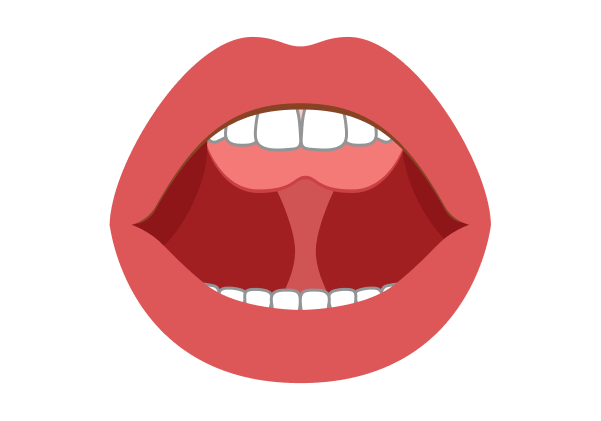
Noticing how their mouth really works. Your child learns what healthy tongue, lip, and breathing posture feels like.
2Activation
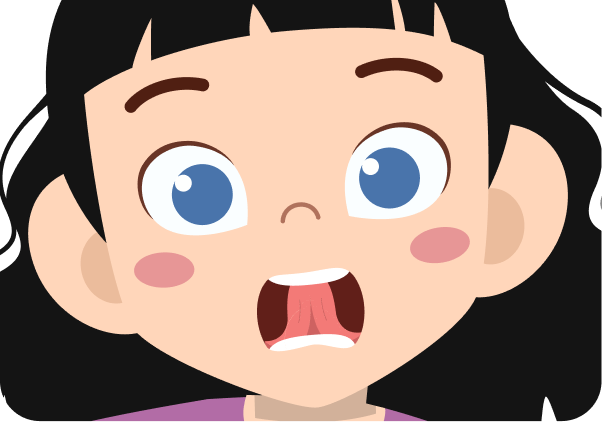
Strengthening key growth muscles. Short, playful exercises build strength and control in the tongue and lips.
3Coordination
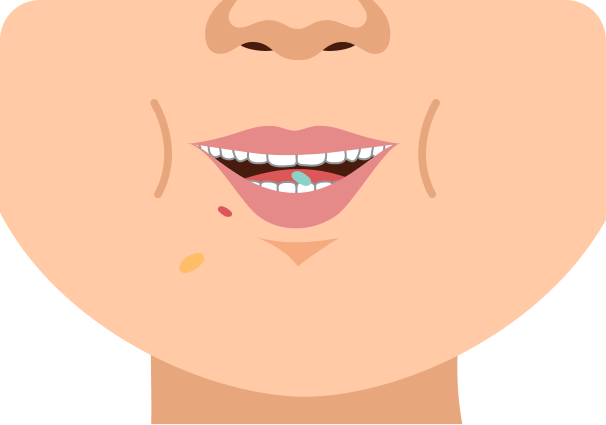
Combining strength with real-life skills. Muscles learn to work together for healthier breathing, chewing, and swallowing.
4Muscle Memory
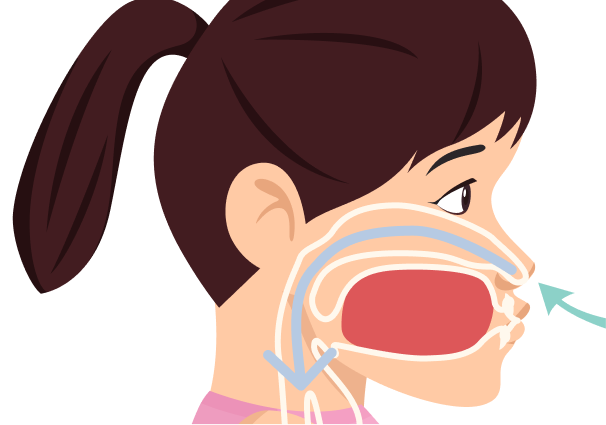
Making healthy habits automatic. Proper posture and breathing become second nature, guiding healthy growth.
How myofunctional therapy works
From simple daily exercises to long-term growth change.
Every small exercise in therapy trains the muscles of your child's mouth and face to rest and move in healthy ways. These movements may seem simple, but over time, they reshape how the jaws grow and how easily your child breathes.
Signs of facial muscle dysfunction in children
How your child's tongue rests, how their lips close, and how they breathe all influence how their face grows. When these muscles work the wrong way, a child's jaws can narrow, teeth can lose space, and the airway can become smaller. Over time, this can affect how your child looks, sleeps, breathes, and feels everyday.
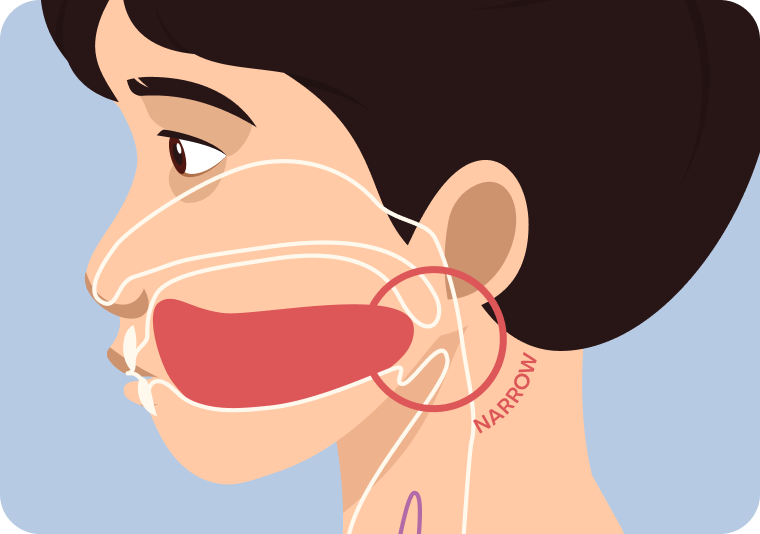
Low tongue posture:Narrow palate and smaller airway
When the tongue rests low instead of up against the palate, the upper jaw loses the gentle pressure it needs to widen. The palate stays narrow and the space behind the tongue gets smaller, leaving less room for air to move.
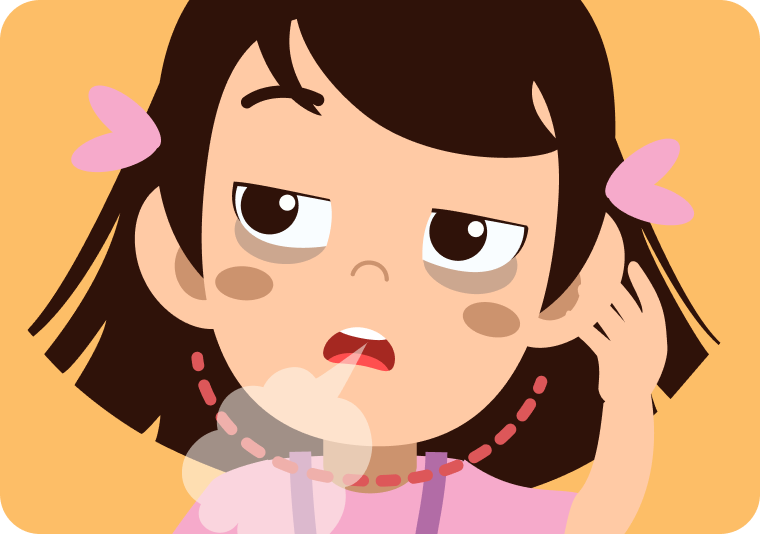
Mouth Breathing:Dry mouth and weaker jaw growth
Breathing through the mouth keeps the lips apart and lets the lower jaw drift backward. This can dry tissues, upset facial balance, and make breathing harder over time.
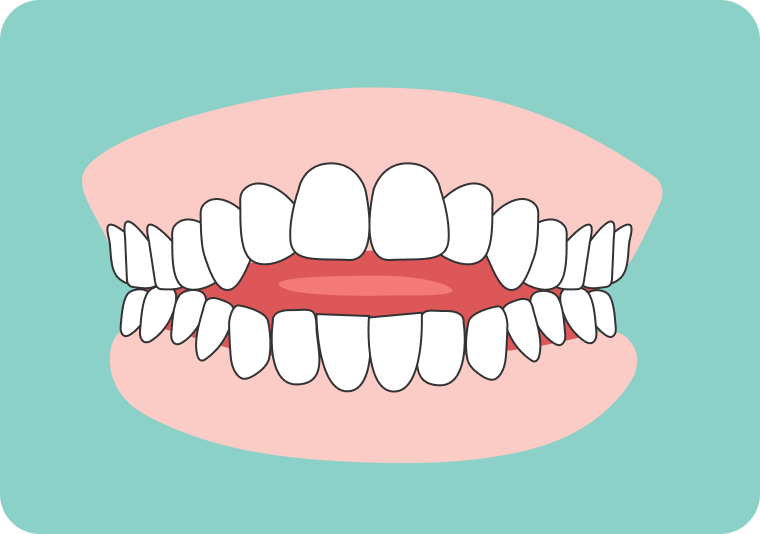
Tongue Thrust:Improper swallow and shifting teeth
When the tongue pushes forward instead of up during a swallow, it moves teeth out of place and increases the chance they'll shift after orthodontic care.
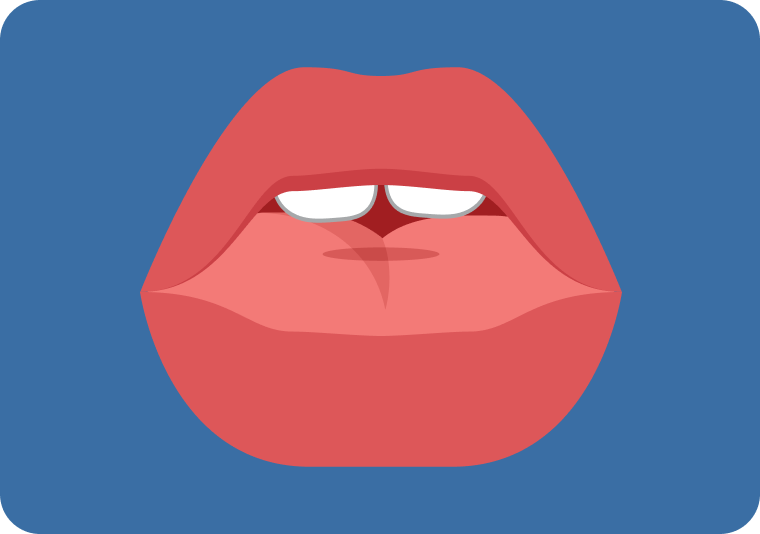
Weak lip seal:Lips apart and facial strain
At rest, lips should stay gently closed. When they remain open, the cheeks press inward and the chin works too hard, narrowing the arches and pulling growth downward.
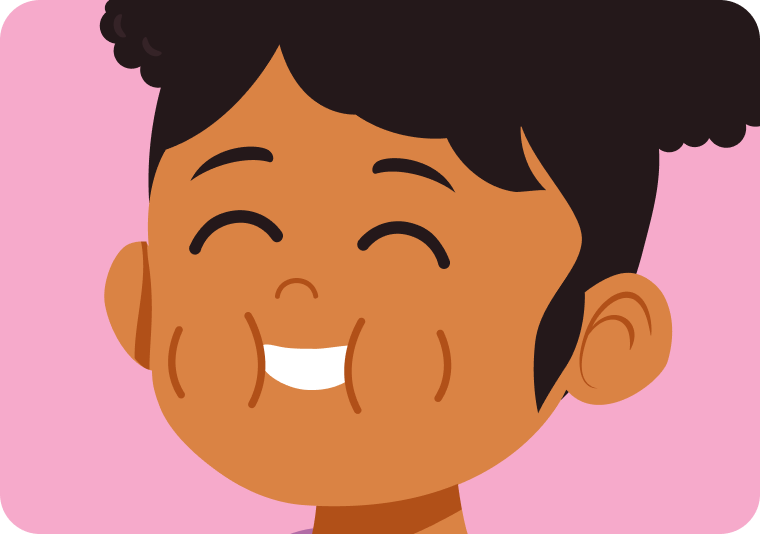
Chewing and swallowing difficulties:Inefficient eating
Weak or unbalanced muscles make chewing and swallowing less effective. Food can pocket in the mouth, and children often avoid tougher textures that help the jaws grow strong.
Symptoms of muscle dysfunction show up in everyday life
Picky Eating
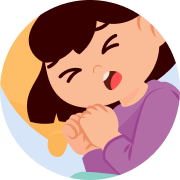
Mouth Breathing
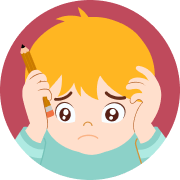
ADD/ADHD
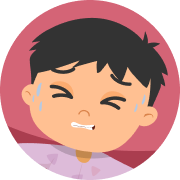
Night Terrors

Persistent Cavities
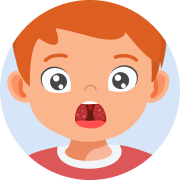
Large Tonsils & Adenoids
Speech Issues
Bedwetting
Crooked Teeth
Snoring
Ear Infections
Digestion
Grinding/Clenching
Sleep Apnea
Headaches
Learn how these everyday signs may be linked to the way your child's muscles, jaws, and airway are developing.
Myofunctional Therapy + guided growth
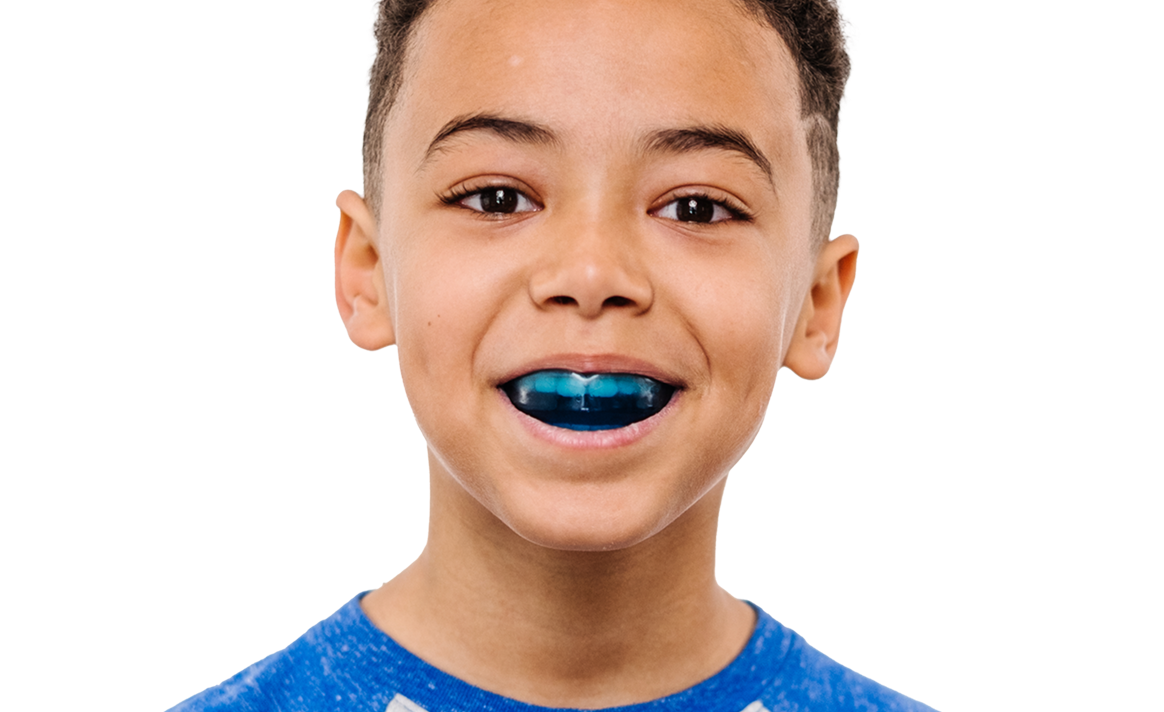
Structure and function grow best together
Within the Toothpillow program, guided growth appliances help shape and grow the jaws and airway while myofunctional therapy strengthens the muscles that support them. Together they create the space, balance, and habits children need for healthy breathing, sleep, and development.
See how the appliances work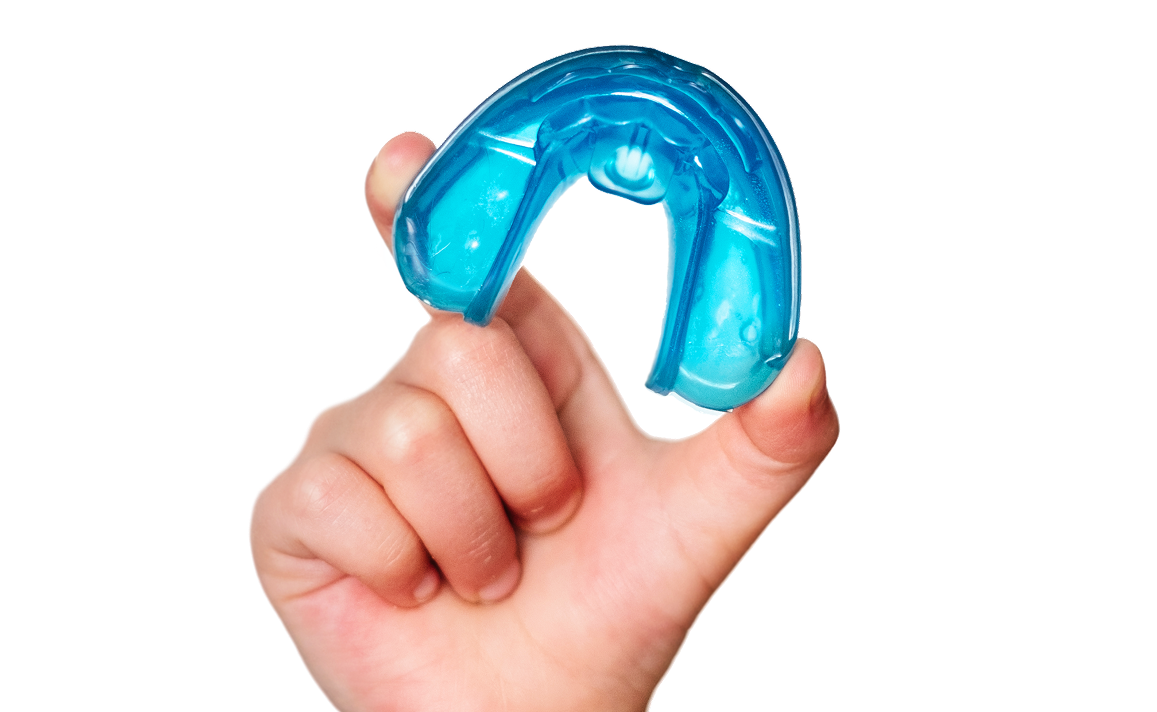
How guided growth supports muscle development
Toothpillow appliances are soft, removable devices that gently direct jaw growth. As they naturally guide the jaws wider and forward, they create space for the tongue to rest on the palate and for air to flow through the nose. This space makes nasal breathing and healthy tongue posture possible, giving myofunctional therapy the structure it needs.
See how the appliances work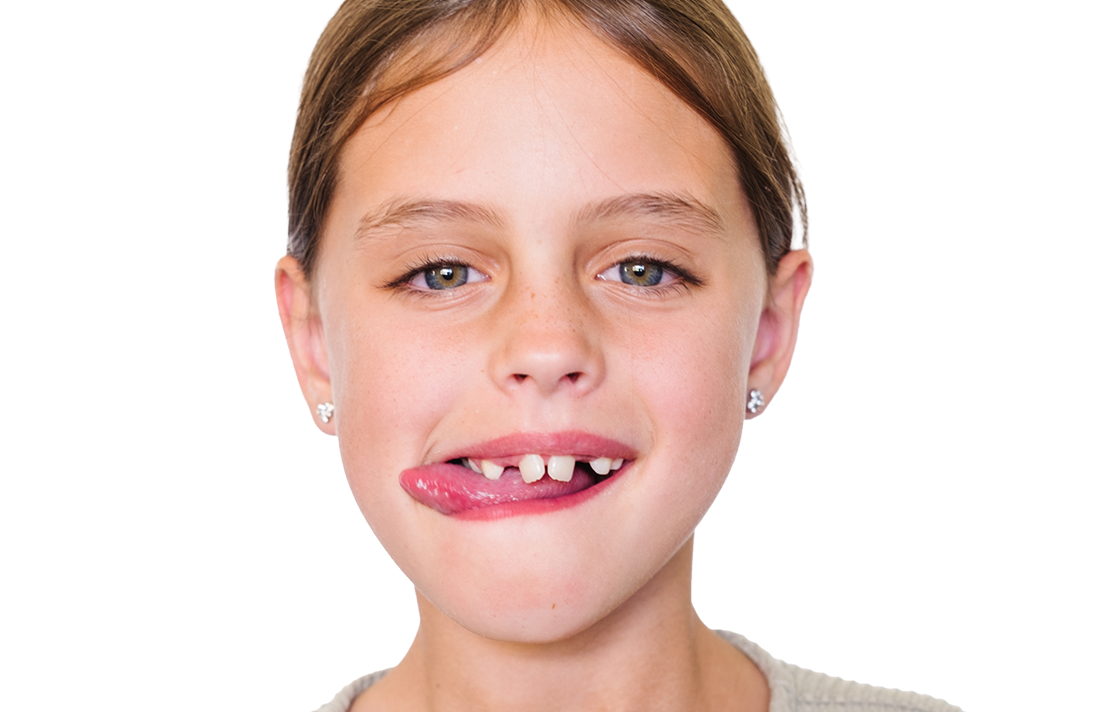
How muscle development supports guided growth
Myofunctional Therapy strengthens and coordinates the muscles that guide breathing and jaw balance. Short daily exercises train the tongue to stay high, the lips to close, and air to move through the nose. These stronger, balanced muscles help the jaws grow in the right direction and keep the space created by the guide stable over time.
See how the appliances workStart with a FREE
virtual assessment
Our licensed airway dentists review your child's photos and symptoms to see how their muscles, jaws, and breathing are working together. You'll get clear insight into whether Myofunctional Therapy could help support their growth and what next steps make sense for your family.
Get StartedWhy parents love this step:
Airway-focused • Kid-friendly • Backed by research
Families see changes sooner than they expect
As guided growth and Myofunctional Therapy begin working together, parents often notice progress within just a few weeks. Lips start to close at rest, sleep becomes quieter, and children wake up more rested and focused. These early changes show that the muscles and airway are beginning to work in balance, creating the foundation for lasting growth and healthy development.
Myofunctional Therapy from home, designed for real family life
Virtual Myofunctional Therapy makes it easy for families to get expert support right from home. Each session is short, engaging, and led by a myofunctional specialist who helps your child build strong, balanced muscle habits for better breathing, sleep, and growth.
What's included in the Toothpillow program
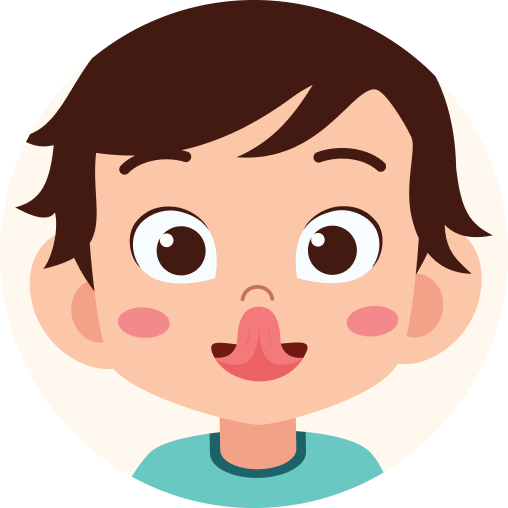
Every Toothpillow family receives free myo prep exercises in the app to strengthen the habits they’re building through their plan.
Families in the Essentials Plan begin with a foundational session and app-based practice, while those in the Recommended Plan receive a full 10-session virtual program with personalized feedback and progress tracking.
After therapy begins, families can continue support through Myo Flex — optional single sessions for refreshers, reinforcement, or extra guidance as children reach new growth stages.
How custom sessions work
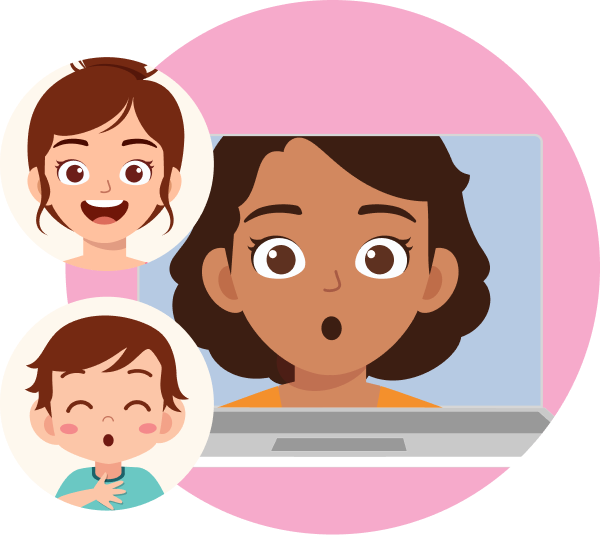
Each visit lasts about 30 minutes and includes both your child and a parent or caregiver. Specialists guide fun, age-appropriate exercises, then create a short practice plan for home. Progress is reviewed in real time and adjusted as your child improves.
What you’ll need
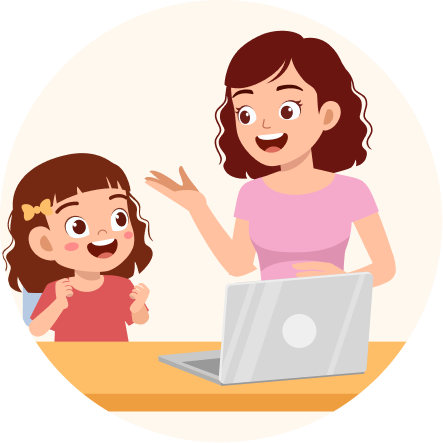
A quiet space, good lighting, and your phone or laptop set at face height. The Toothpillow app provides everything else, including videos, reminders, and tools to keep practice simple.
How kids stay engaged
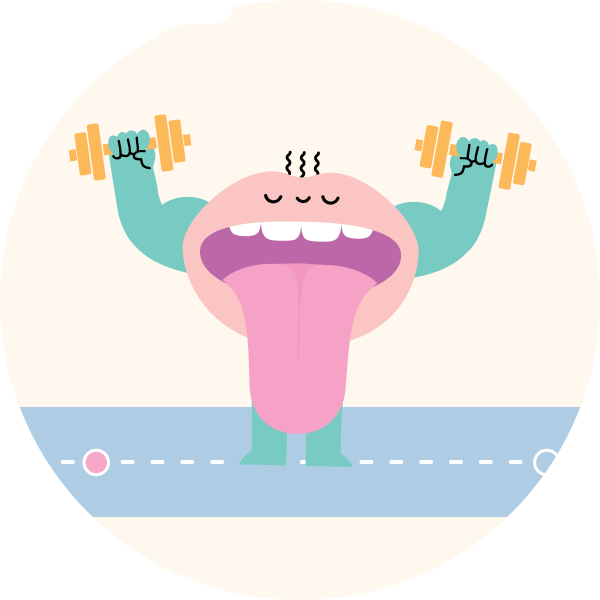
Specialists use mirror games, playful visuals, and short challenges that make each session feel like a game. Every visit ends with a clear goal and a home routine your child can follow confidently.
Find out if Myofunctional Therapy and the Toothpillow program are right for your child's breathing, sleep, and growth.
Proven benefits of myofunctional therapy
Parents often wonder if Myofunctional Therapy really works. The research says yes, and the results speak for themselves.

Better breathing and sleep quality
Clinical reviews show that therapy can reduce nighttime breathing interruptions in children by 40–60%, with measurable improvements in oxygen levels.
In one long-term study, two-thirds of mouth-breathing children became nasal breathers after consistent therapy combined with growth appliances.
Read study here ›
Faster, more stable orthodontic results
Children who add therapy during orthodontic treatment finish faster and are up to 80% more likely to maintain alignment long term.
By retraining the tongue and lips, therapy removes the muscle pressures that cause teeth to shift back after braces or expanders.
Read study here ›
Healthier jaw and airway growth
In a one-year clinical trial, therapy paired with guided growth widened dental arches, improved bite balance, and increased airway space, all without surgery or forceful expansion.
When the tongue learns to rest on the palate, the upper jaw grows wider, the nasal cavity enlarges, and airflow becomes smoother.
Read study here ›The visible results of Myofunctional Therapy.
Change begins quietly, then becomes easy to see. As your child practices their exercises and the muscles of the tongue, lips, and cheeks strengthen, you'll start to notice visible shifts in how they breathe, sleep, and grow.

Lips closed at rest
One of the first signs of progress happens during calm moments like reading or watching TV. Your child's lips begin to stay closed naturally, the chin looks relaxed, and air moves quietly through the nose. This shows the lips and tongue are learning to hold healthy posture without strain.

Quieter nights
As nasal breathing becomes easier, sleep sounds softer and more peaceful. You may notice fewer open-mouth sleep positions, steadier breathing, and mornings that start with more energy and focus. These are early signs that your child's airway is becoming more stable.

Clearer speech and smoother swallowing
When a child's tongue learns to rest and move in the right place, every swallow and word becomes more coordinated. Speech sounds grow clearer, and chewing looks smoother and more efficient. Teachers or relatives often comment that your child sounds and eats differently because their muscles finally work in balance.

Easier chewing and broader food variety.
Children who once avoided tougher textures begin to eat more confidently. As the tongue, lips, and cheeks strengthen, they manage foods with less effort and greater coordination. Mealtimes feel easier, and variety naturally expands.

Visible growth changes.
Over time, these improvements show up in your child’s smile and facial balance. The lips stay closed at rest, the smile looks broader, and spacing between baby teeth becomes more even. The jaws begin to grow forward, creating room for teeth and supporting a wider airway.
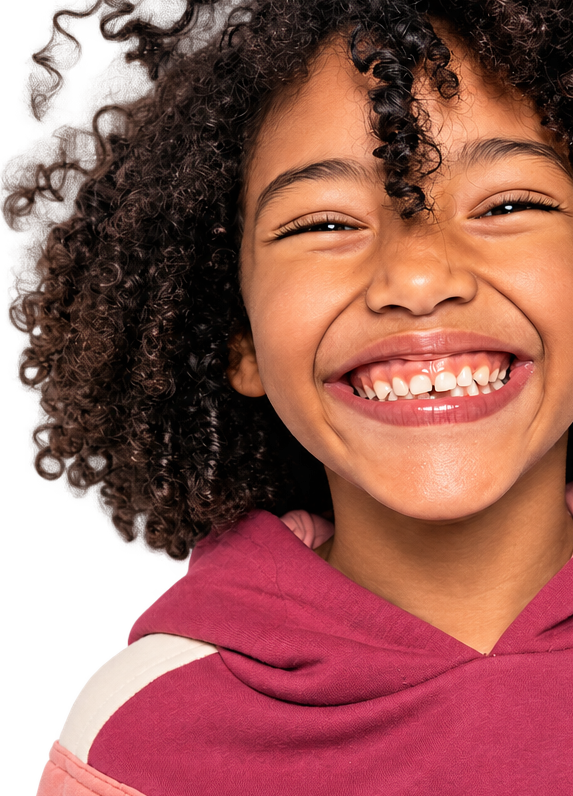
Healthy growth starts here.
The Toothpillow program combines guided growth, Myofunctional Therapy, and nasal support to help your child breathe, sleep, and grow the way they were meant to. Each piece works together: the guides create space, the muscles learn to use it, and the airway stays clear so healthy development can continue.
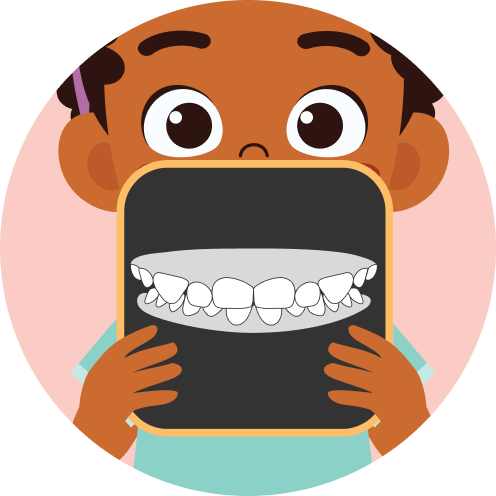
Start with a FREE virtual assessment
It only takes a few minutes to understand how your child's breathing and growth are connected and what you can do today to support your child's development.
Get StartedLearn About our Free AssessmentStill have questions? We've got you.
FAQs
Know what to expect
From timelines to treatment steps, get clear answers to the most common questions families ask before getting started.
Explore FAQs
Inside the program
Understand the full process
Discover what makes this program different—and why families choose it to support their child's development from home.
Inside the Program
Meet the doctors
Get to know the team
Every family is paired with a licensed airway dentist who's trained to spot what others often miss. Meet the experts guiding your child's growth.
Meet the Team